
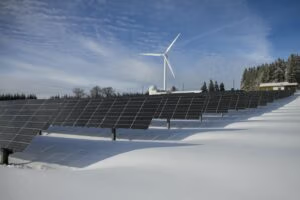
Clean energy is crucial for the sustainability of our planet and the well-being of future generations. As the world continues to grapple with the effects of climate change, it has become increasingly clear that the use of fossil fuels is not a sustainable long-term solution. Clean energy, on the other hand, offers a way to power our world without contributing to the harmful emissions that are driving climate change. By investing in clean energy, we can reduce our reliance on finite resources and minimize our impact on the environment.
Furthermore, clean energy is essential for reducing air and water pollution. The burning of fossil fuels releases harmful pollutants into the atmosphere, which can have serious health implications for humans and wildlife. By transitioning to clean energy sources such as solar, wind, and hydroelectric power, we can significantly reduce these pollutants and create a healthier environment for all living beings. In addition, clean energy can also help to create new job opportunities and stimulate economic growth, making it a win-win solution for both the environment and the economy.
Types of Clean Energy Sources
There are several types of clean energy sources that can be harnessed to power our world in a sustainable and environmentally friendly way. Solar energy, for example, is derived from the sun’s rays and can be converted into electricity using photovoltaic cells. This renewable energy source is abundant and widely available, making it an attractive option for powering homes, businesses, and even entire communities. Wind energy is another clean energy source that is generated by harnessing the power of the wind through wind turbines. This form of renewable energy is particularly well-suited for areas with consistent wind patterns, such as coastal regions and open plains.
Hydroelectric power is yet another clean energy source that relies on the force of flowing water to generate electricity. By building dams and reservoirs, we can capture the energy of moving water and convert it into a reliable and sustainable power source. Biomass energy, on the other hand, is derived from organic materials such as wood, agricultural residues, and even municipal solid waste. By burning these materials or converting them into biofuels, we can produce heat and electricity in a way that is both renewable and carbon-neutral.
Advantages of Clean Energy
The advantages of clean energy are numerous and far-reaching. One of the most significant benefits of clean energy is its potential to reduce greenhouse gas emissions and mitigate climate change. By transitioning away from fossil fuels and embracing renewable energy sources, we can significantly reduce our carbon footprint and limit the harmful effects of global warming. In addition, clean energy can also help to improve public health by reducing air and water pollution. The burning of fossil fuels releases harmful pollutants into the atmosphere, which can have serious health implications for humans and wildlife. By transitioning to clean energy sources such as solar, wind, and hydroelectric power, we can significantly reduce these pollutants and create a healthier environment for all living beings.
Furthermore, clean energy can also help to create new job opportunities and stimulate economic growth. The renewable energy sector has been growing rapidly in recent years, creating thousands of new jobs in manufacturing, installation, and maintenance. By investing in clean energy, we can not only protect the environment but also boost our economy and create a more sustainable future for generations to come.
Challenges in Implementing Clean Energy
While the benefits of clean energy are clear, there are also several challenges that must be overcome in order to fully implement these technologies on a global scale. One of the main challenges is the high initial cost of transitioning to clean energy sources. While renewable energy technologies have become more affordable in recent years, they still require significant upfront investment in order to build infrastructure and install equipment. This can be a barrier for many countries and communities that lack the financial resources to make the switch to clean energy.
Another challenge is the intermittency of some clean energy sources, such as solar and wind power. Unlike fossil fuels, which can be burned at any time to produce electricity, renewable energy sources are dependent on natural factors such as sunlight and wind. This means that additional infrastructure and storage solutions are needed in order to ensure a reliable and consistent power supply from these sources.
Additionally, there are also political and regulatory challenges that can hinder the widespread adoption of clean energy technologies. In some cases, government policies and incentives may not be aligned with the goals of transitioning to clean energy, making it difficult for businesses and individuals to invest in renewable technologies. Overcoming these challenges will require a coordinated effort from governments, businesses, and communities around the world.
Clean Energy Technologies
There are several innovative technologies that are being developed to harness clean energy in new and exciting ways. One such technology is tidal power, which generates electricity by harnessing the kinetic energy of ocean tides. By building underwater turbines in areas with strong tidal currents, we can capture this natural energy source and convert it into electricity. Another promising technology is geothermal power, which utilizes heat from the Earth’s core to generate electricity. By tapping into underground reservoirs of hot water or steam, we can produce a reliable and sustainable source of energy.
In addition, there are also advancements being made in energy storage technologies that can help to address the intermittency of renewable energy sources. Battery storage systems, for example, are becoming increasingly efficient and affordable, allowing us to store excess energy generated from solar or wind power for use during periods of low production. Furthermore, smart grid technologies are being developed to better manage and distribute clean energy across large-scale electrical grids, ensuring a reliable supply of power from renewable sources.
Government Policies and Clean Energy
Government policies play a crucial role in shaping the future of clean energy by providing incentives and regulations that encourage investment in renewable technologies. Many countries around the world have implemented policies such as feed-in tariffs, tax credits, and renewable portfolio standards to promote the development and deployment of clean energy sources. These policies help to level the playing field for renewable technologies and make them more competitive with traditional fossil fuels.
In addition to financial incentives, government regulations also play a key role in driving the transition to clean energy. By setting emissions targets and implementing carbon pricing mechanisms, governments can create a framework that encourages businesses and individuals to reduce their reliance on fossil fuels and embrace renewable alternatives. Furthermore, government support for research and development in clean energy technologies is essential for driving innovation and bringing new solutions to market.
Future of Clean Energy
The future of clean energy looks promising as advancements in technology continue to drive down costs and improve efficiency. As renewable energy sources become more affordable and accessible, we can expect to see a widespread adoption of clean energy technologies across all sectors of society. In addition, continued investment in research and development will lead to new breakthroughs in areas such as energy storage, grid integration, and resource management.
Furthermore, as public awareness of climate change grows, there is increasing pressure on governments and businesses to take action on reducing emissions and transitioning to clean energy sources. This momentum will likely drive further policy changes and investment in renewable technologies in the coming years.
Overall, the future of clean energy holds great potential for addressing climate change, improving public health, creating economic opportunities, and ensuring a sustainable future for generations to come. By working together to overcome the challenges and barriers to implementing clean energy technologies, we can build a cleaner, healthier planet for all.